
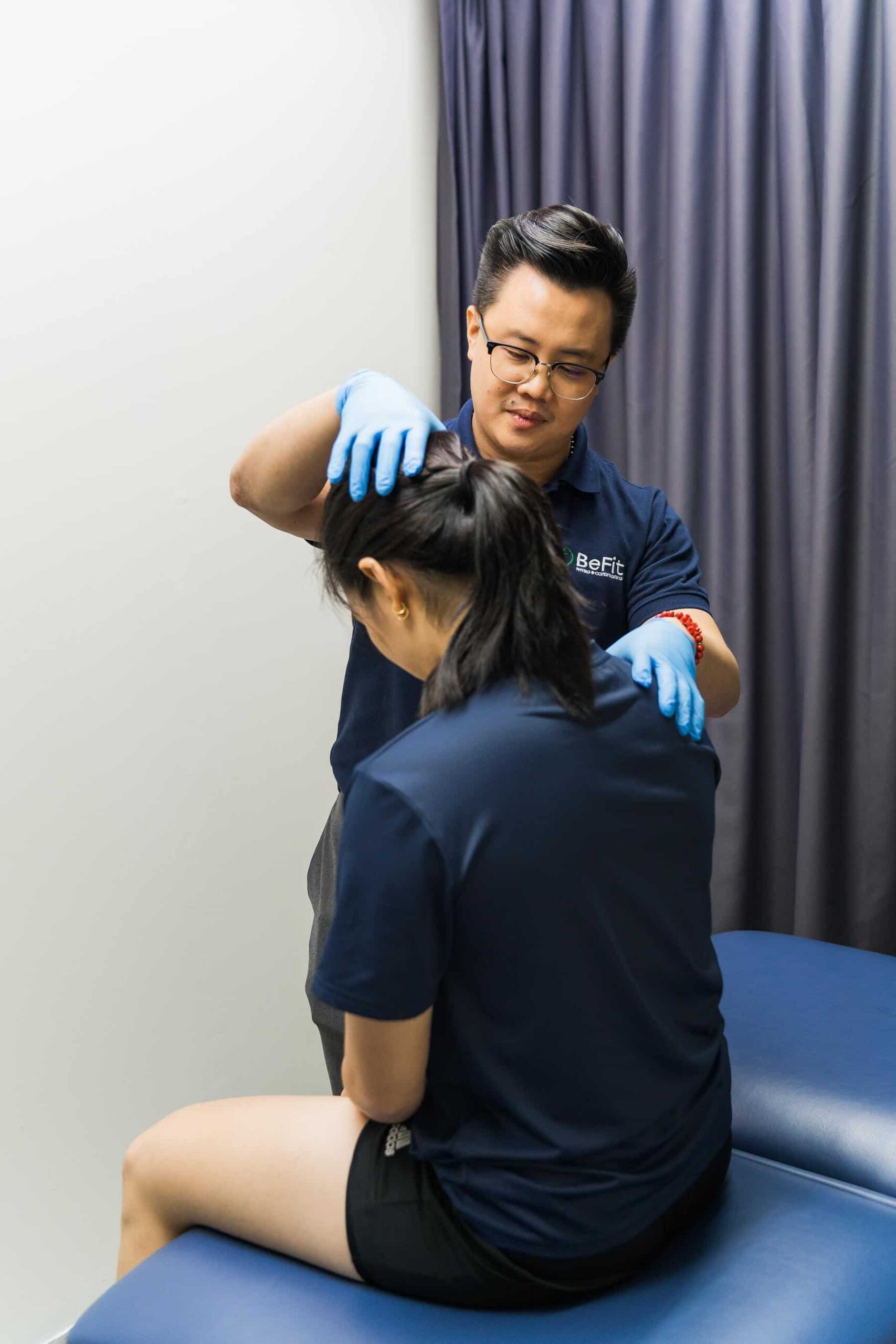
Physiotherapist performing neck and shoulder manual therapy on seated patient using palpation and massage techniques. Shows cervical treatment, upper body therapy, posture correction, and hands-on assessment. Keywords: neck treatment, shoulder therapy, manual palpation, cervical spine, posture assessment, upper body rehabilitation.
Techniques

Therapeutic Stretching

Controlled elongation of muscles and soft tissues forms a physiotherapy intervention used to improve flexibility, joint range of motion, and neuromuscular function.

Book Now
Overview

How It Works

Therapeutic stretching applies controlled force to muscles, tendons, and surrounding soft tissues to lengthen shortened or restricted structures. The technique positions the tissue at the end of its available range and maintains or progressively increases the stretch.

This mechanical loading influences both muscular and connective tissue components. It improves tissue extensibility, supports collagen realignment, and enhances neuromuscular coordination. In addition, stretching stimulates mechanoreceptors, which can help modulate muscle tone and reduce protective guarding.

Clinicians select specific stretching techniques based on assessment findings, including static, dynamic, or assisted stretching methods. Therefore, treatment targets both local tissue restrictions and global movement patterns.


All techniques are performed with the consent of the patient, after evaluating individual needs and discomfort tolerance.

Benefits

What You Can Expect

Increased Flexibility

Therapeutic stretching increases muscle and tendon length, which improves overall flexibility and movement capacity.

Increased range of motion

It restores joint mobility by reducing soft tissue restriction and improving functional movement patterns.

Reduced muscle tightness

The technique decreases excessive muscle tension and helps normalize resting muscle tone.

Improved posture and alignment

It supports balanced muscle length between opposing muscle groups, which contributes to better postural control.

Injury prevention support

Regular stretching reduces the risk of muscle strain by improving tissue tolerance to movement.

Your Experience

What to Expect

A physiotherapist first assesses joint mobility, muscle length, and movement limitations before selecting appropriate stretching techniques. The clinician then positions the target muscle group and applies either active, passive, or assisted stretching.

You may feel gradual tension along the muscle during the stretch. The intensity remains controlled and should stay within a tolerable range without sharp pain. Each position is typically held for a specific duration depending on tissue response.

After treatment, you may experience temporary mild soreness or a feeling of increased flexibility in the treated area. Normal daily activity can usually continue unless the clinician advises otherwise.

Get Started

Try Therapeutic Stretching

Our team will build a personalised plan around your needs.

Book Now